



Bagasse vs. PP Custom Take-Out Containers
Introduction
In today's world, where environmental consciousness is skyrocketing, restaurants, food trucks, and catering services across the United States are rethinking their packaging game. From bustling city diners in New York to laid-back beachside eateries in California, the push for greener options is everywhere.
Bagasse containers—made from sugarcane fibers—have exploded in popularity thanks to their "biodegradable" and "natural" vibes, positioning them as a go-to alternative to plastic. But when stacked against trusty old PP (polypropylene) containers, do they really come out on top environmentally?
Raw Material Comparison: Natural Fibers vs. Petroleum-Based Plastics
Bagasse Containers
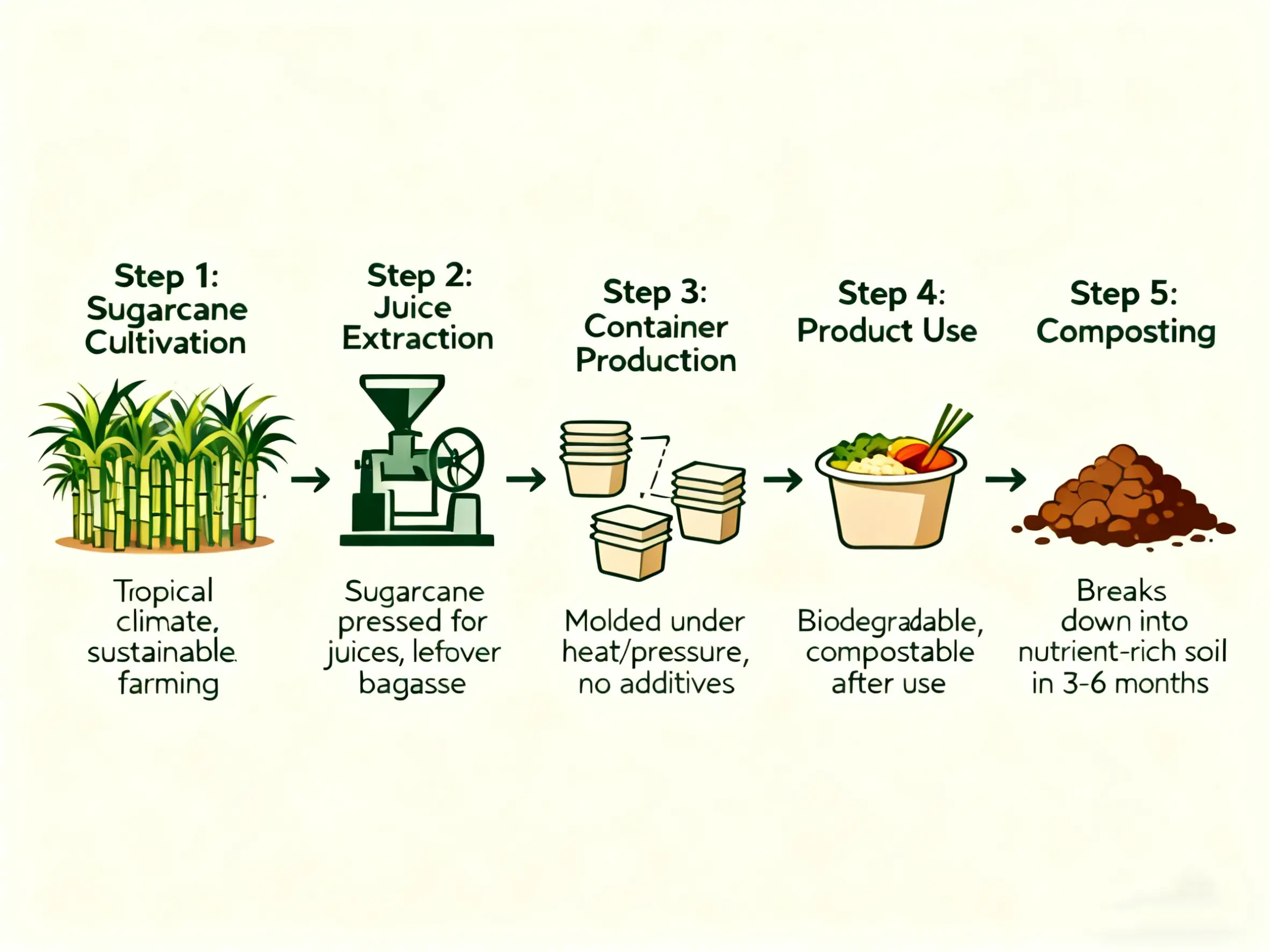
Bagasse is the fibrous leftover after sugarcane juice is extracted—think of it as upcycling waste from sugar mills in places like Florida or Louisiana, where sugarcane farming has deep roots.
This byproduct is abundant, renewable, and doesn't compete with food crops for land. Turning it into containers closes the loop: what was once discarded becomes sturdy, plant-based packaging.
In industrial compost facilities—common in eco-focused cities like Seattle or Portland—it breaks down into nutrient-rich soil in just 60-90 days, leaving zero microplastics behind.
PP Food Containers

PP, or polypropylene, starts life as a byproduct of oil refining. It's a classic plastic derived from propane gas through cracking and polymerization—processes that guzzle energy and emit greenhouse gases.
While PP is technically recyclable (coded as #5), real-world recycling rates hover below 30% in the U.S., per EPA data. Contamination from food residue, mixed materials, and low collection incentives means most end up in landfills or incinerators.
Unlike bagasse, PP doesn't biodegrade; it photodegrades into tiny fragments that harm wildlife and waterways, persisting for centuries in the environment.
Material Innovation Trends in Custom Take-Out Containers
The custom take-out containers scene is evolving fast, driven by EPA guidelines, state bans on single-use plastics (hello, California and New York), and consumer demand for green creds.
Manufacturers are blending bagasse with additives like natural waxes for better performance, creating hybrid custom take-out containers that compost fully while holding up to greasy burgers or hot soups.
In the U.S., companies like those in the Midwest's bio-economy hubs are scaling production, dropping costs, and enabling small brands to order low-minimum custom take-out containers with eco-certifications.

Performance Comparison: Balancing Environmental Protection and Practicality
Heat Resistance and Water Resistance
PP containers laugh at high temps—they handle up to 250°F (about 120°C) without warping, perfect for microwaving leftovers or steaming dim sum. They're also champs at repelling water and oil, thanks to their non-porous structure.
Bagasse has improved leaps and bounds with bio-coatings, but pure versions soften above 200°F, better suited for salads, sandwiches, or room-temperature meals.
Newer custom take-out containers in bagasse lines use laminated layers to boost heat resistance to near-PP levels, making them viable for hot entrees in eco-conscious spots.
Degradability and Lifespan
Here's where bagasse dominates: full biodegradation. In a backyard composter or municipal facility, it vanishes in months, enriching soil instead of piling up.
PP might outlast your grandkids, breaking into microplastics that pollute oceans—think Great Pacific Garbage Patch contributions.
For lifespan in use, both last a single meal, but bagasse's end-of-life story is cleaner. Brands using biodegradable custom take-out containers signal virtue without compromise.
How Custom Take-Out Containers Balance Environmental Protection and Functionality
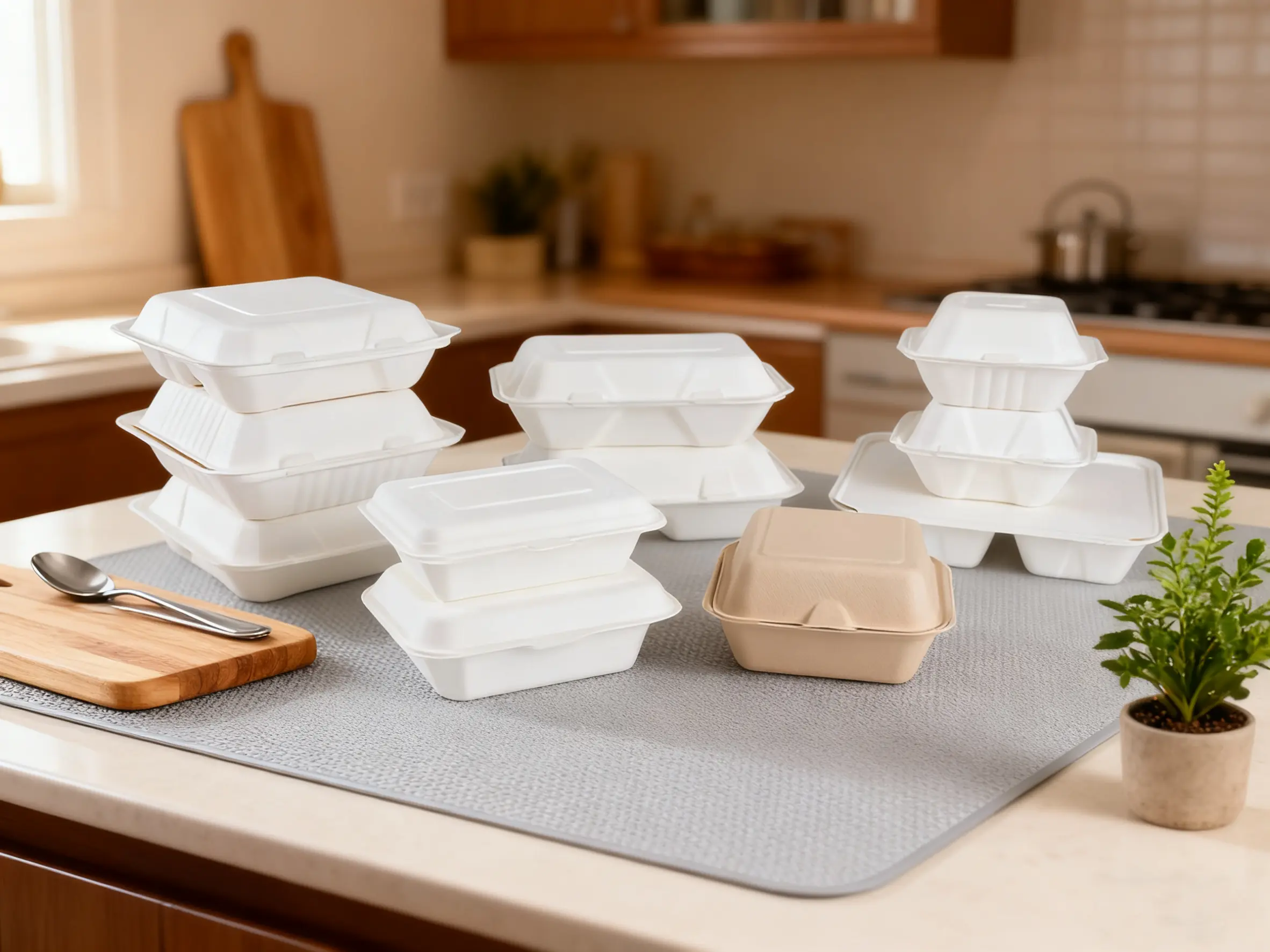
Modern custom take-out containers are masters of multitasking. By fusing bagasse bases with plant-derived barriers, they achieve PP-like seal integrity— no leaks, no grease bleed-through—while composting cleanly.
Customization adds compartments for portion control, vented lids for steam release, and stackable designs for delivery efficiency. In high-volume operations like food festivals or urban lunch rushes, these custom take-out containers cut waste and wow customers.
Carbon Footprint and Recycling System Comparison
Differences in Carbon Emissions
Bagasse production is low-energy: pulping fibers, molding, and drying with minimal chemicals. Studies show 50-70% less CO2 than PP's oil-intensive path.
U.S. sugarcane byproducts mean shorter supply chains, too—less trucking emissions from Louisiana fields to factories.
PP's footprint? Heavy. Refining alone emits volatiles, and polymerization demands fossil-fuel heat. Even with efficient plants, the baseline is higher.
Life Cycle Assessment Results
LCAs from sources like the USDA and independent labs peg bagasse at 0.5-1 kg CO2 per 1,000 containers vs. PP's 2-3 kg.
Disposal seals the deal: bagasse composts carbon-neutrally; PP landfilling locks in methane potential. Incinerating bagasse yields energy without dioxins, unlike PP.
Custom take-out containers in bagasse amplify this: optimized designs reduce material use by 10-15%, further shrinking footprints for chains like Subway or local delis.
The Role of Custom Take-Out Containers in the Circular Economy
Circular principles thrive with reusable or compostable custom take-out containers. Programs in cities like San Francisco collect them for industrial composting, turning waste into fertilizer.
Brands print QR codes on custom take-out containers linking to return incentives, closing loops, and building loyalty.
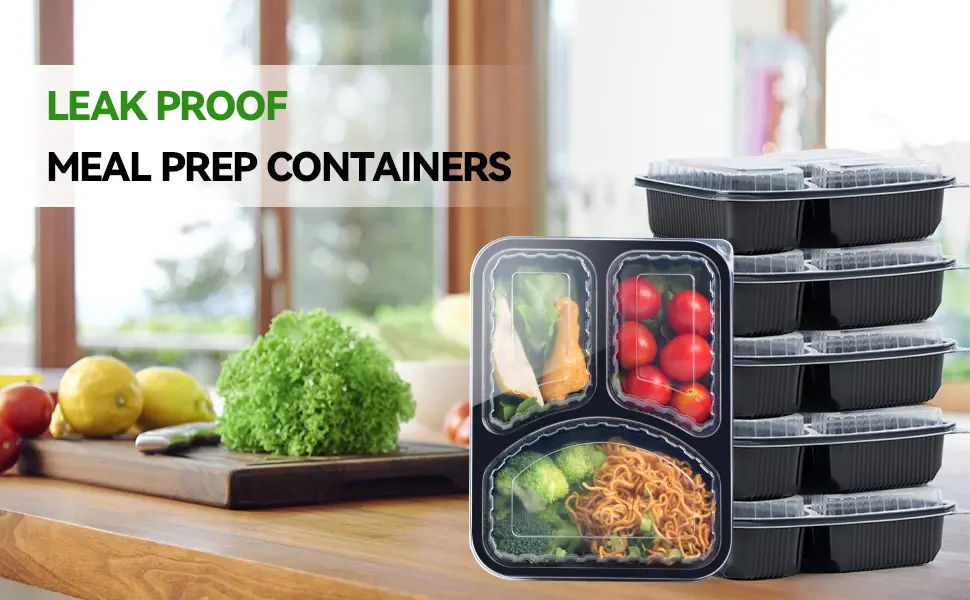
Do Plastic Take-Out Bento Boxes Release Toxins When Heated?
What Pitfalls Should You Avoid When Buying Low-Priced Takeout Boxes Wholesale?
Related Article
