



Why Use Paper Drinking Cups?
author: Iris
2024-08-22
In today's fast-developing world, the environment is also quietly changing. Nowadays, most people pursue more environmentally friendly practices for the earth, and have produced many paper tableware, such as lunch boxes made of bagasse, lunch boxes made of corn starch, etc. People strive to minimize the damage to the environment to protect today's ecological environment.

1. Material Comparison
And paper drinking cups are born with the times. Now, more and more people use paper cups instead of plastic drinking cups. Paper cups are usually made of pulp, and the outer layer may be coated with a waterproof coating to prevent liquid leakage. The main raw material of paper cups is wood, which is a renewable resource. Plastic cups are generally made of plastic materials such as polyethylene (PE), polypropylene (PP), or polystyrene (PS). Among these materials, petroleum is a non-renewable resource, and the resources are limited.
Paper drinking cups have emerged as a practical and sustainable choice, replacing traditional plastic drinking cups in many settings. Most paper cups are made from high-quality pulp, often paired with a thin waterproof coating to prevent leaks. Their main raw material—wood—comes from renewable resources, making them a more responsible choice for the environment.
In contrast, plastic cups are commonly made from materials like polyethylene (PE), polypropylene (PP), or polystyrene (PS), all of which are derived from petroleum. Since petroleum is a non-renewable resource with limited reserves, the continued use of these materials contributes to resource depletion and environmental strain.

1.1 Environmental Protection Comparison
In terms of environmental protection, paper cups are relatively easy to degrade in the natural environment, which generally takes several months to a year. The best eco-friendly disposable cups can be recycled and reused to make recycled paper or other paper products. Plastic cups are difficult to degrade in the natural environment, and it may take hundreds of years or even longer. The recycling rate of plastic cups is low, the recycling process is complicated, and the cost is high.
Choosing paper cups or PLA cup depends on specific usage needs and environmental impact considerations. For short-term, single-use occasions, paper cups may be a better choice.
Paper drinking cups have emerged as a practical and sustainable choice, replacing traditional plastic drinking cups in many settings. Most paper cups are made from high-quality pulp, often paired with a thin waterproof coating to prevent leaks. Their main raw material—wood—comes from renewable resources, making them a more responsible choice for the environment.
In contrast, plastic cups are commonly made from materials like polyethylene (PE), polypropylene (PP), or polystyrene (PS), all of which are derived from petroleum. Since petroleum is a non-renewable resource with limited reserves, the continued use of these materials contributes to resource depletion and environmental strain.

Sustainable Solutions for Conscious Dining
As environmental awareness grows, eco-friendly tableware has emerged as a powerful way to reduce waste without compromising convenience. Our plant-based food containers—crafted from renewable bagasse and cornstarch—offer full compostability while maintaining the durability of traditional materials. These innovative alternatives decompose in just 8-12 weeks under proper conditions, compared to centuries for plastic, and require 65% less energy to produce. The sugarcane fiber containers naturally resist grease and liquids, making them ideal for hot, oily, or saucy foods, while the cornstarch-based options provide crystal clarity for elegant presentation.

Performance Meets Responsibility
Beyond their environmental benefits, these sustainable solutions deliver exceptional functionality. The bagasse lunch boxes withstand temperatures up to 220°F, perfect for steaming takeout meals, while the cornstarch containers feature leak-resistant seams that rival plastic. Restaurants adopting these options report a 40% increase in customer satisfaction among eco-conscious diners, with many patrons willing to pay a premium for sustainable packaging. As global regulations phase out single-use plastics, these plant-powered alternatives future-proof businesses while supporting a circular economy—where used containers nourish the soil rather than polluting oceans. From farm to table and back to the earth, this new generation of tableware proves that convenience and environmental stewardship can work in delicious harmony.
Which Is Better, PP or PET?
RosUpack 2024
Related Article

Your food needs to be seen. Your customers need to heat it. Most containers force you to choose one or the other. Clear PP to-go containers are the only packaging that lets you do both without compromise — transparent enough to display fresh ingredients in a deli case, and microwave-safe enough that customers never need to transfer food to a different container.
Clear PP To-Go Containers — Showcase Your Food, Microwave Safe
Learn the 7 key factors for choosing a takeaway packaging wholesale supplier — compliance, pricing transparency, quality, delivery, custom branding, and long-term value. Includes evaluation scorecard and red flags checklist.
Meal Prep Boxes for Business: A Wholesale Buyer's Complete Guide

Learn the 7 key factors for choosing a takeaway packaging wholesale supplier — compliance, pricing transparency, quality, delivery, custom branding, and long-term value. Includes evaluation scorecard and red flags checklist.
How to Choose the Right Takeaway Packaging Wholesale Supplier: 7 Key Factors
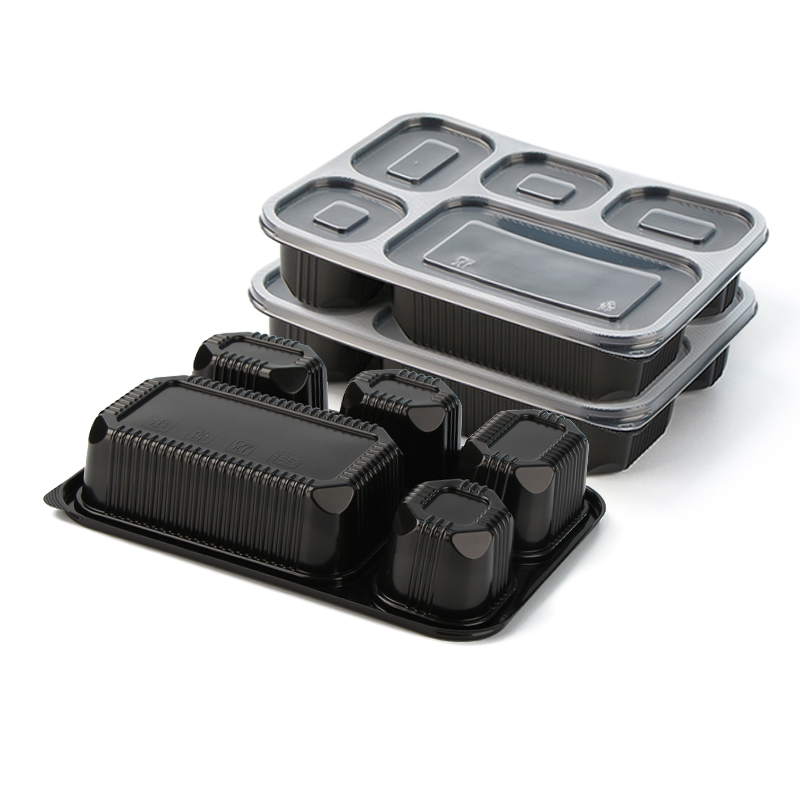
As the food delivery, takeout, and quick-service restaurant (QSR) industries continue to grow globally, choosing the right disposable food container has become a critical decision for foodservice businesses. Safety, durability, cost efficiency, and compliance are no longer optional — they are essential.
Why Choose Yangrui Disposable Food Containers?
SEND MESSAGE