



What is the Safest Container to Freeze Food in?
author: Iris
2024-11-29
What Makes a Container Food-Grade?
Before exploring the best containers for freezing food, it is essential to understand what qualifies a container as food-grade. A food-grade container is made from materials that are safe for food contact. These materials are non-toxic, non-reactive, and do not leach harmful chemicals into your food.
Food-grade small Chinese takeout containers must meet specific regulations set by health and safety organizations such as the FDA (Food and Drug Administration) in the United States. These regulations ensure that the containers are safe for food storage under various conditions, including freezing, heating, and long-term storage.
Common food-grade materials include:
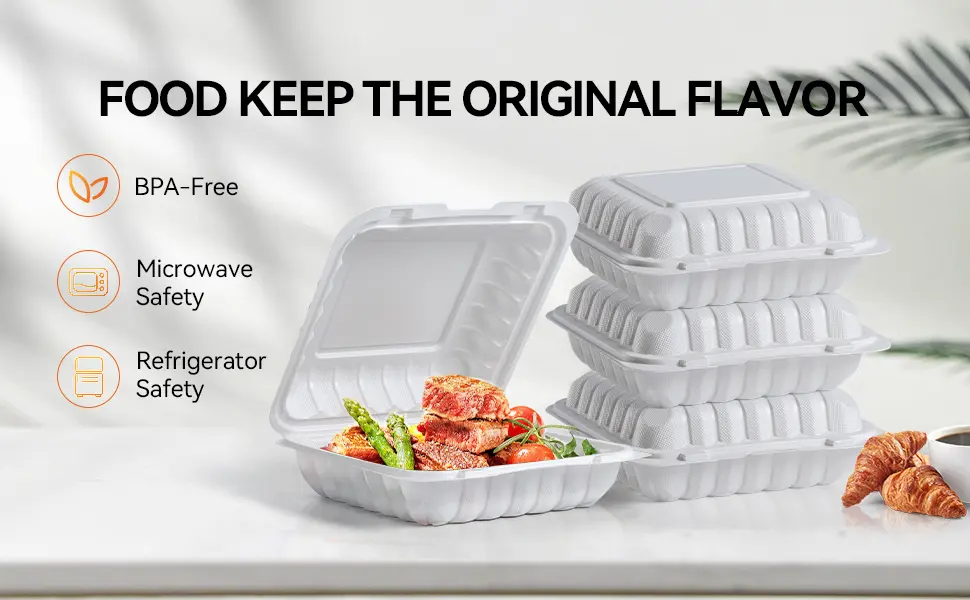
- BPA-free plastics: BPA (Bisphenol A) is a chemical often found in plastic containers, but it can be harmful when it leaches into food. BPA-free containers are a safer option.
- Glass: Glass containers are non-reactive and do not leach chemicals, making them ideal for food storage, including freezing.
- Stainless steel: Stainless steel containers are durable, non-reactive, and often used for food storage.
- Food-safe silicone: Silicone is flexible, durable, and non-toxic, making it another great choice for food storage.
When selecting a container for freezing food, always ensure that it is labeled as food-grade, as this will guarantee that the container is safe for food storage.
What is the Safest Container to Freeze Food in?
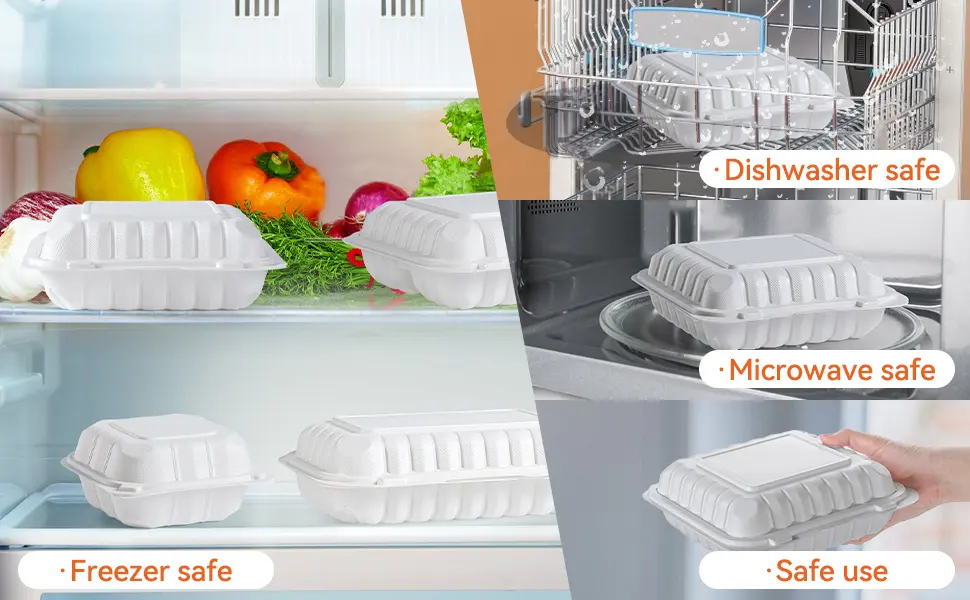
Freezing food is a great way to extend its shelf life, but choosing the wrong container can cause problems. When it comes to freezing food, you need a container that can withstand low temperatures without cracking, leaking, or contaminating your food.
Here are some of the safest containers to freeze food in:
1. Glass Containers
Glass containers are an excellent choice for freezing food, particularly because they are non-reactive and do not absorb food odors or stains. They also do not leach harmful chemicals into food, making them one of the safest options. Look for glass containers that are designed specifically for freezing, as some glass can become brittle at low temperatures.
Pros:
- Non-reactive
- No chemicals leach into food
- Durable and long-lasting
Cons:
- Can break if dropped or exposed to sudden temperature changes
- Heavier than plastic options
2. BPA-Free Plastic Containers
BPA-free plastic containers are a great alternative to glass, especially for people who prefer lightweight and shatterproof options. Look for containers made from high-density polyethylene (HDPE) or polypropylene (PP), as these plastics are resistant to freezing and do not leach harmful chemicals when used at low temperatures.
Pros:
- Lightweight and shatterproof
- Affordable
- Available in a variety of sizes and shapes
Cons:
- Can absorb food odors or stains
- Some plastics may degrade over time with repeated freezing
3. Food-Safe Silicone Bags
Silicone bags are a flexible and space-saving option for freezing food. They are non-toxic, BPA-free, and can be sealed tightly to prevent freezer burn. Silicone bags are ideal for storing liquid-based foods such as soups or sauces, as they can be easily squeezed to remove air.
Pros:
- Flexible and space-saving
- Freezer-safe and durable
- Can be sealed tightly to prevent freezer burn
Cons:
- More expensive than plastic containers
- It can be difficult to stack and organize in the freezer
Can I Put a Chinese Food Container in the Microwave?
If you've ever ordered Chinese takeout, you've likely received your meal in a plastic container often referred to as a "Chinese food container." While these containers are convenient for takeout, many people question whether it is safe to use them in the microwave.
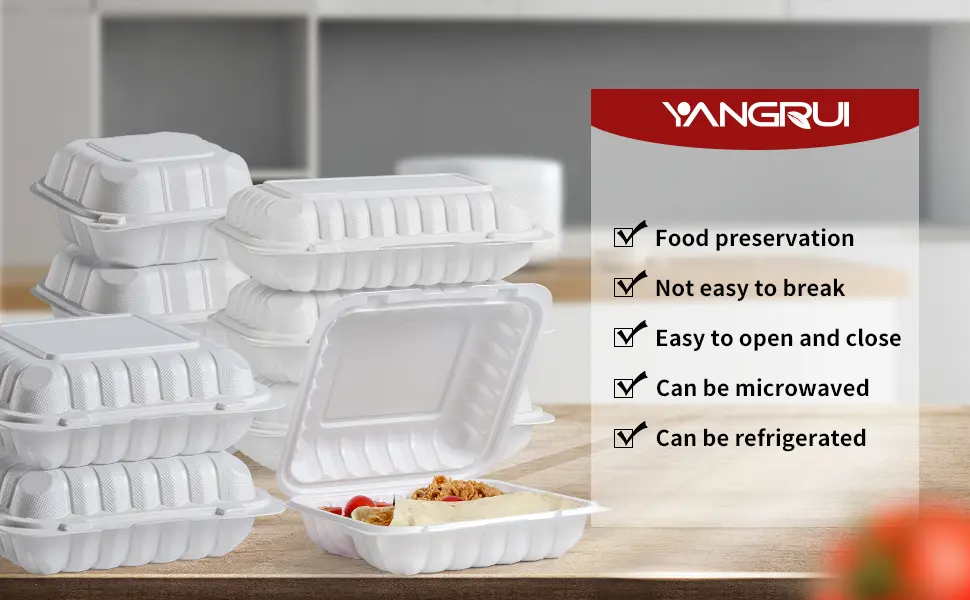
The answer to whether Chinese clear takeout containers are microwave-safe is: it depends. Some containers are made from materials like polystyrene (PS) or polypropylene (PP), which can be microwave-safe. However, many Chinese food containers do not come with labeling indicating they are safe for microwave use. Heating food in these unlabelled containers could potentially lead to harmful chemicals leaching into your meal or cause the container to warp or melt. Therefore, it's best to check for microwave-safe labels or transfer your food to a safe container before heating.
Here’s what you need to know about using Chinese food containers in the microwave:
1. Check the Label
Always check the label or packaging of the container for any microwave-safe symbols or instructions. If the container is not labeled as microwave-safe, it’s better to transfer your food to a microwave-safe container before heating.
2. Avoid Using Containers with Metal Parts
Many Chinese food containers have metal handles or clips. These should never be used in the microwave, as metal can cause sparks or even fires. Always remove any metal parts before microwaving.
3. Use Microwave-Safe Alternatives
For the safest microwave experience, consider transferring your food to a microwave-safe glass or BPA-free plastic container. These materials are better suited for high heat and won’t leach harmful chemicals.
How to Choose the Best Food Container for Your Needs?
Choosing the best food container depends on several factors, including what type of food you're storing, how long you plan to store it, and whether you need the container to be microwave-safe, freezer-safe, or both.
Here are a few tips to guide you:
1. Consider Food Type and Storage Conditions
If you’re storing liquids or soups, flexible silicone bags or glass jars with tight-fitting lids may be your best option. For solid foods, BPA-free plastic or glass containers with secure lids will keep your food fresh.
2. Look for Space-Saving Designs
If you have limited storage space, stackable containers or collapsible options can help maximize your storage.
3. Check for Leak-Proof and Airtight Features
For long-term storage, choose containers with airtight seals to prevent freezer burn or spoilage.
Where to Buy Plastic Takeout Containers?
Huizhou Yangrui Printing & Packaging Co., Ltd., offers a wide variety of black takeout containers recyclable tailored to meet your unique needs. Whether you require custom options or expert guidance, our dedicated team is here to assist you. We take pride in delivering innovative packaging solutions that align with your specific requirements. Contact us today at sales@yrpak.com or call +86-159 8949 1653 to learn more about our premium plastic takeaway containers and reliable manufacturing services.
References
- Smith, J. P. (2020). Meal Prep Containers: Best Practices and Benefits. Cooking Press.
- Davis, M. L. (2018). Plastic Containers for Food Storage: A Comprehensive Guide. Food Packaging Solutions.
- Thompson, R. A., & Lee, K. B. (2021). Sustainable Plastic Solutions in Meal Prep. Green Packaging Journal.
- Patel, V. R. (2019). The Impact of Plastic Meal Prep Containers on Food Preservation. Culinary Innovations.
- Cooper, D. F., & Allen, M. G. (2022). Choosing the Right Meal Prep Containers for Healthy Eating. Health & Wellness Publishing.
- Jackson, L. M. (2020). Eco-Friendly Alternatives to Plastic Meal Prep Containers. Sustainable Living Press.
Are White Plastic Takeout Containers Safe to Use for Microwaving and Reuse?
Are Food Containers Safe for Keeping Your Meals Hot and Fresh?
Related Article

You searched for 4 oz Chinese take out boxes — but what you actually need may not be a paper box at all. The folded paper container with the wire handle looks iconic, but for 4 oz portions of sauce, dressing,
4 oz Chinese Take Out Boxes Alternative — Clear PP Portion Cups
Looking for plastic to-go containers with lids in bulk? Every container we ship includes a matching lid — not as an optional add-on,
Plastic To-Go Containers with Lids Wholesale | Bulk PP Food Boxes
SEND MESSAGE