



The Difference Between OEM and ODM Models in Take-Out Box Manufacturing
author: Iris
2025-09-25
1. OEM Model Analysis
The OEM model emphasizes standardized production and economies of scale, particularly suited for clients requiring rapid supply and cost control. It serves as an ideal choice for high-volume order customers prioritizing efficiency.
Basic Definition and Process of OEM
In an OEM (Original Equipment Manufacturer) arrangement, the manufacturer manages manufacturing while the client supplies the design specifications. The OEM process for makers of take-out boxes consists of quality inspection, production manufacturing, mold debugging, and raw material preparation. The manufacturer largely assists the production process without engaging in design innovation. With this strategy, firms may quickly introduce plastic take-out boxes to the market and acquire them in bulk at a reduced cost. The OEM model is valuable because it guarantees supply reliability and efficiency, which makes it ideal for the everyday standardized requirements of food service enterprises.
Application of Plastic Take-Out Boxes in the OEM Model
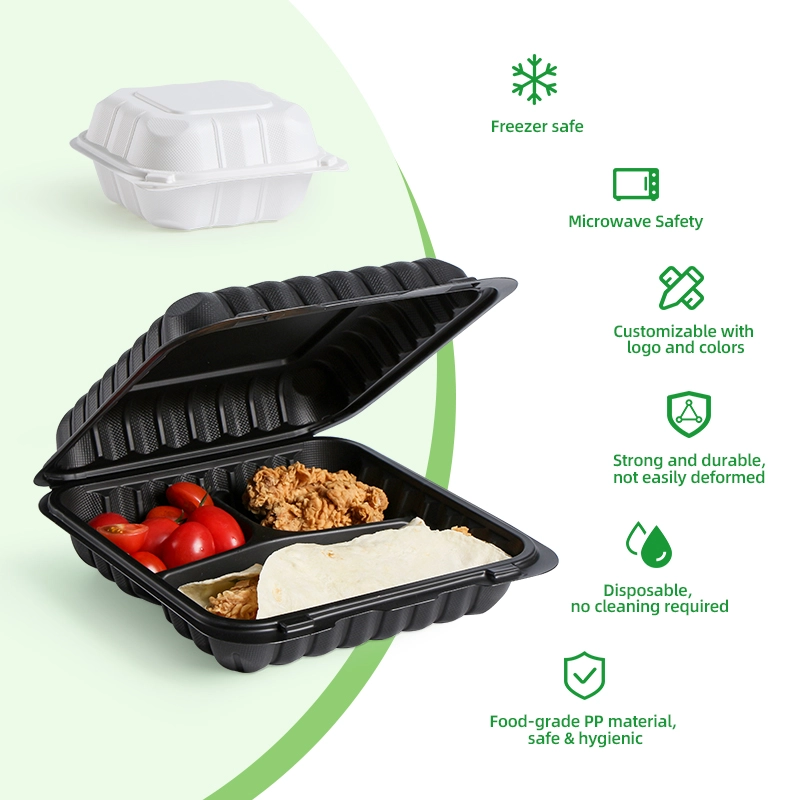
Plastic take-out box production is more effective under the OEM model, and product designs are usually standardized for quick reproduction. Short manufacturing cycles are one of its benefits, which makes it perfect for large purchases by meal delivery services or restaurant chains. Manufacturers using this strategy lower unit costs by utilizing automated machinery and well-established mold systems. For the majority of fast-food restaurants, convenience stores, and supermarkets, OEM is the preferred partnering option because of constant product quality and dependable supply, even if it lacks custom design freedom.
Advantages and Limitations of the OEM Model
OEM excels in large-scale production, cost control, and high delivery efficiency. However, its limitations include insufficient innovation and severe product homogenization. When food brands seek differentiation through custom take-out boxes, the constraints of the OEM model become apparent. Therefore, OEM is better suited for food businesses in rapid expansion phases, prioritizing cost and delivery efficiency. Premium dining or specialty brands, however, may need to explore the ODM model to enhance market competitiveness.
3. Core Differences Between OEM and ODM
OEM and ODM models exhibit significant differences in R&D leadership, cost and delivery cycles, market positioning, and other aspects. Understanding these distinctions helps businesses select the most suitable collaboration model.
Leadership in R&D and Design
In the OEM model, R&D and design are controlled by the client, with the manufacturer solely responsible for production. In contrast, the ODM model grants the take-out box manufacturer greater control over design and R&D, enabling them to provide innovative solutions to clients. For companies requiring standardized plastic take-out boxes, OEM is more suitable. Clients seeking brand differentiation, however, tend to favor ODM.
Cost and Delivery Cycle Differences
The OEM model offers lower costs and faster delivery due to standardized molds and established processes. The ODM model, however, incurs additional R&D and design expenses with relatively longer lead times. Yet the uniqueness of custom take-out boxes often commands higher market premiums for clients, enhancing brand competitiveness.
Case Study: Chinese Take-Out Lunch Boxes
In the context of Chinese take-out lunch boxes, the OEM model suits large-scale restaurant chains like Chinese fast-food outlets, ensuring rapid supply and low costs. The ODM model, however, aligns better with upscale Chinese restaurants, where manufacturers can design distinctive box shapes, printing, and structures tailored to brand positioning, thereby elevating brand value. These models are not mutually exclusive; rather, they leverage distinct advantages based on client needs and market positioning.
Where to Buy?
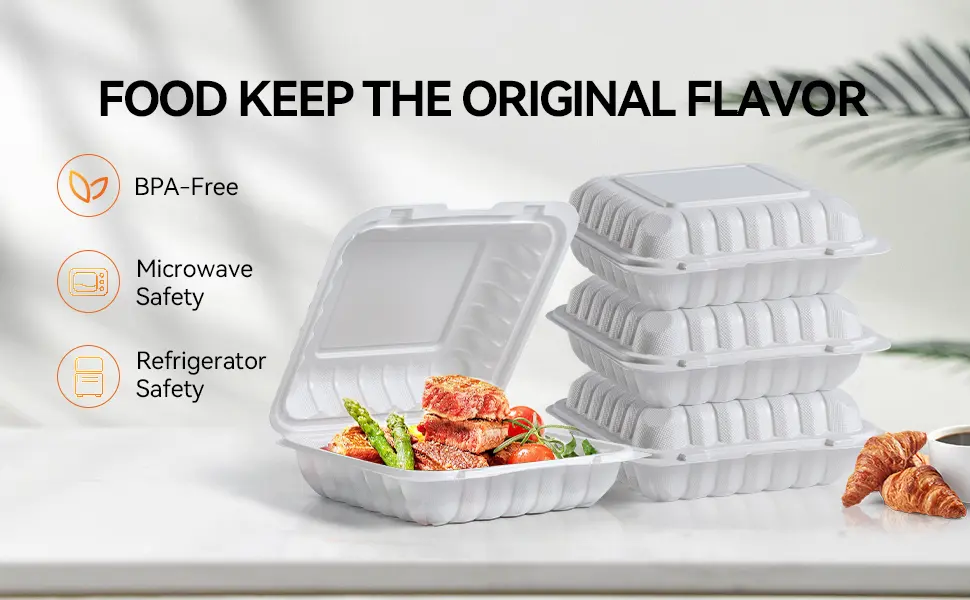
As a leading manufacturer, Yangrui offers efficient OEM production of plastic take-out boxes and boasts design and R&D capabilities, enabling us to create unique custom take-out boxes and Chinese take-out lunch boxes. Its advantages include:
- Environmental benefits: Using biodegradable or environmentally friendly materials, we align with the global trend for green packaging.
- Food safety benefits: Strict adherence to international certification standards ensures food contact safety.
- Customization benefits: We offer personalized ODM solutions, from structural design to branding.
- Scale benefits: Advanced production lines and large-scale supply capabilities ensure efficient OEM delivery.
Contact information:
Phone: +86-159 8949 1653
Email: sales@yrpak.com
Email: sales@yrpak.com
References
- Kotler, P., & Keller, K. L. (2016). Marketing Management (15th ed.). Pearson Education.
- Gereffi, G., & Fernandez-Stark, K. (2016). Global Value Chain Analysis: A Primer. Duke Center on Globalization, Governance & Competitiveness.
- PlasticsEurope (2023). Plastics – the Facts 2023: An analysis of European plastics production, demand and waste data.
- ISO 22000:2018. Food Safety Management Systems – Requirements for any organization in the food chain.
- Li, Y., & Wang, X. (2022). “The Role of Packaging in Enhancing Brand Value in the Food Service Industry.” Journal of Foodservice Business Research, 25(3), 215–232.
2. ODM Model Analysis
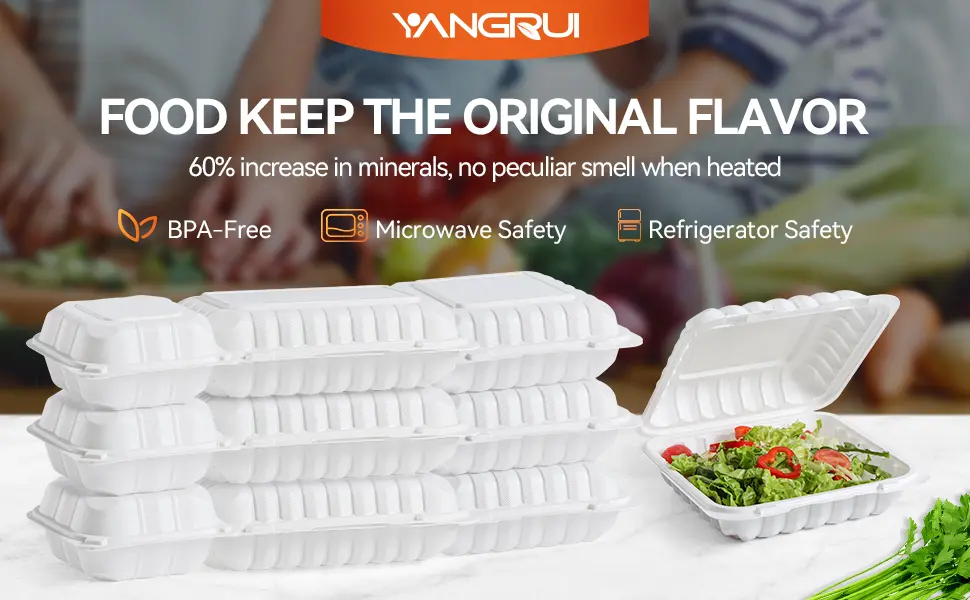
The ODM model emphasizes design innovation and brand value enhancement, meeting the customization and differentiation needs of food and beverage enterprises. It is particularly suited for clients seeking to build brand recognition through packaging.
Basic Definition and Process of ODM
ODM (Original Design Manufacturer) includes R&D and product design in addition to manufacture. This need for in-house design teams, R&D resources, and market analysis knowledge from take-out box producers. Before manufacturing and delivery, clients only provide their specifications, and manufacturers create unique take-out boxes that are in line with brand positioning based on current trends. This technique improves market recognition by allowing firms to quickly acquire distinctive packaging designs.
Flexibility of Custom Take-Out Boxes in ODM
Custom take-out boxes provide remarkable versatility under the ODM approach. It is possible to modify printing methods, structures, and dimensions to meet customer requirements. For example, to emphasize brand culture and culinary characteristics, upscale restaurants could need unique Chinese take-out lunch boxes. Food containers are transformed from simple vessels into essential brand ambassadors by this strategy. Food service companies create distinctive identities in cutthroat marketplaces by using creative design to draw in customers.
Advantages and Challenges of the ODM Model
The strength of ODM lies in innovation and differentiation. By partnering with take-out box manufacturers, businesses gain fully customized products that enhance brand competitiveness. However, challenges arise: higher R&D costs, longer design cycles, and greater demands on the manufacturer's expertise. Consequently, ODM is better suited for mid-to-high-end food brands, particularly those seeking to reinforce their brand image through plastic take-out boxes or custom take-out boxes.

4. How to Choose the Right Model?
The choice between OEM and ODM is not fixed but should be determined based on the company's development stage, market positioning, and customer needs.
Selecting Based on Development Stage
Startups typically have limited capital and are still expanding their market reach, making the OEM model more suitable for quickly obtaining low-cost plastic take-out boxes. Established brands can opt for ODM to create unique packaging through custom take-out boxes, enhancing brand recognition. Therefore, businesses can flexibly adjust their collaboration model at different stages to align with developmental needs.
Choosing Based on Market Positioning and Customer Needs
Mass-market food brands emphasizing price competitiveness and supply efficiency are well-suited for the OEM model. Conversely, high-end dining and specialty restaurants prioritize brand individuality, requiring the ODM model to meet their unique demands. For instance, custom Chinese take-out lunch boxes can help premium Chinese eateries stand out in competitive markets.
Comprehensive Recommendations for Take-Out Box Manufacturers
For take-out box manufacturers, OEM and ODM are not mutually exclusive but complementary. Manufacturers must possess both standardized production capabilities and design R&D strength to serve diverse client types simultaneously. This approach not only meets varied market demands but also enhances its own competitiveness.

Bagasse vs. Plastic: Which Hinged Takeout Container is Better?
How to Prove the Safety of Food-Grade Plastic Takeout Boxes? Testing Standards and Certification Guide
Related Article

You searched for 4 oz Chinese take out boxes — but what you actually need may not be a paper box at all. The folded paper container with the wire handle looks iconic, but for 4 oz portions of sauce, dressing,
4 oz Chinese Take Out Boxes Alternative — Clear PP Portion Cups
Looking for plastic to-go containers with lids in bulk? Every container we ship includes a matching lid — not as an optional add-on,
Plastic To-Go Containers with Lids Wholesale | Bulk PP Food Boxes
SEND MESSAGE