



Are Biodegradable Vented Takeout Containers Really Harmless?
author: Iris
2025-11-20
With increasing global environmental awareness and the advancement of plastic reduction policies in various countries, biodegradable vented takeout containers, as an alternative to traditional disposable plastic vented takeout containers, are gradually entering the public eye. However, does the "biodegradable" label mean absolutely safe and harmless? As consumers, our biggest concern when choosing biodegradable vented takeout containers is whether they release harmful substances during use and whether their degradation in the environment after disposal is truly environmentally friendly.
Recent research and market surveys reveal a complex reality: biodegradable vented takeout containers are not entirely harmless. Multiple studies in 2025 found that some environmentally friendly takeout containers release large amounts of microplastics and chemicals under high-temperature conditions, with the migration of harmful substances from some products exceeding national standards by several times. Furthermore, the environmental degradation process of biodegradable vented takeout containers also involves many uncertainties, potentially leading to persistent microplastic pollution in the natural environment.
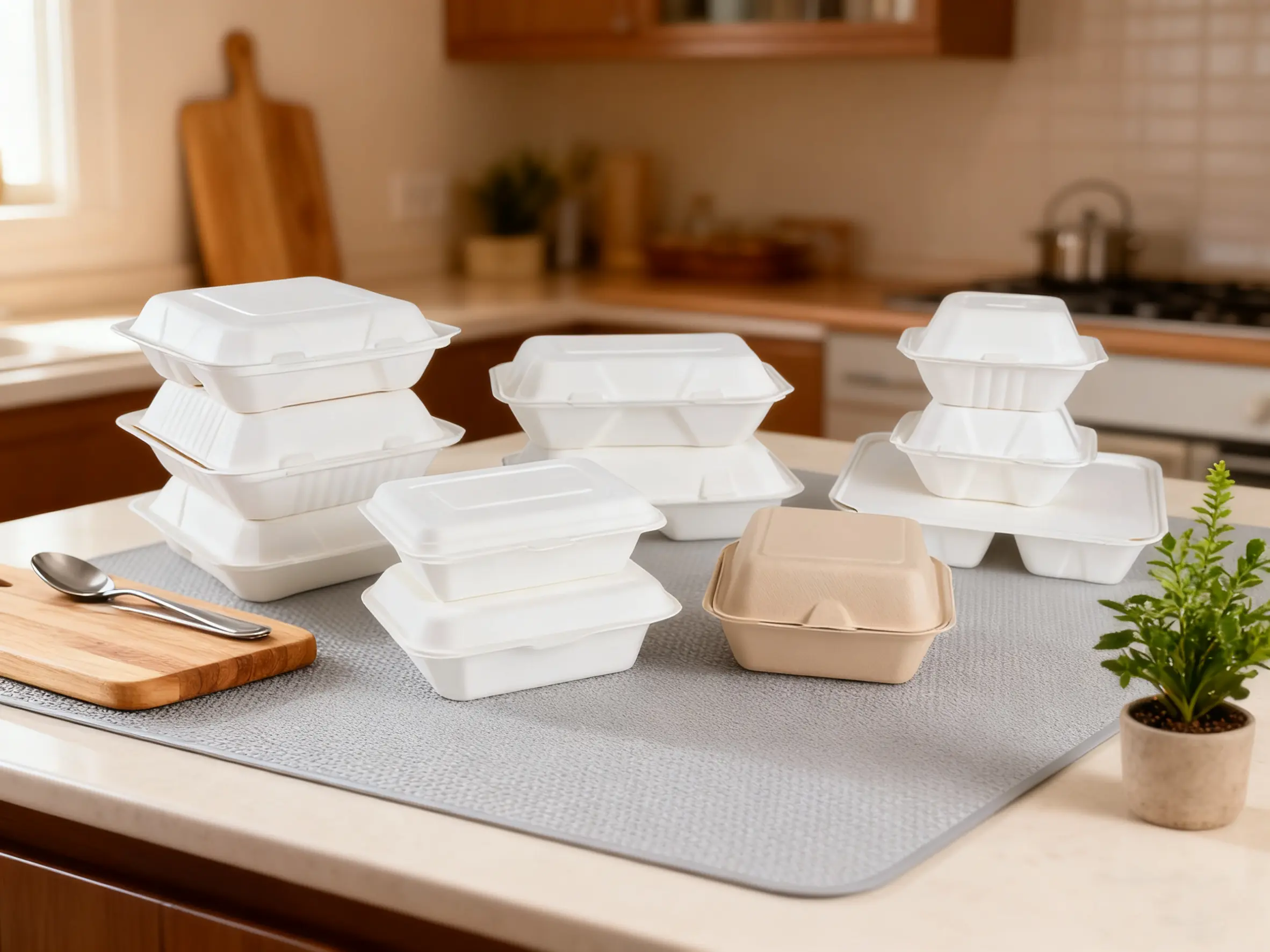
I. Health and Safety Risks During the Use of Biodegradable vented takeout containers
1.1 Risk of Chemical Release Under High-Temperature Conditions
The safety of biodegradable vented takeout containers under high-temperature conditions is one of the most pressing concerns for consumers. Studies show that temperature is a key factor affecting the release of chemical substances from biodegradable compostable takeout containers, with different materials exhibiting significant differences at high temperatures. The heat resistance limitations of PLA (polylactic acid) vented takeout containers are particularly prominent. PLA's glass transition temperature is 60-65℃, its heat distortion temperature is approximately 60℃, and its critical temperature is 55-60℃. When the temperature exceeds the critical temperature, the mechanical strength of low-crystallinity PLA rapidly decreases, transforming from a hard and brittle plastic into a soft and weak rubber state. More seriously, PLA vented takeout containers degrade rapidly at 55℃, and the released lactic acid monomers may cause intestinal flora imbalance.
In practical use, temperatures above 60℃ can cause degrading vented takeout containers to release harmful substances. When biodegradable plastics come into contact with hot food above 60℃ (such as hot porridge or hot milk tea), they can release "hundreds of millions of microplastic particles" within one hour, which is 3-5 times that of traditional plastics. Using polypropylene (PP) lunchboxes to hold braised pork at 78℃ or hot and sour soup at 85℃ will release approximately 12,000 microplastic particles per square centimeter within 15 minutes; while polystyrene (PS) lunchboxes release even more, reaching 35,000 particles, under the same conditions.
The release of chemical substances under temperature gradients shows a clear increasing trend:
- At 60℃, the migration of phthalates (plasticizers) reaches 0.5 mg/kg, exceeding the EU standard by 2 times.
- At 80℃, the release of bisphenol A (BPA) soars to 1.2 μg/L, and long-term intake may disrupt the endocrine system.
- At 100℃, the release of microplastic particles reaches as high as 1.2 billion per liter, which can enter the bloodstream through the digestive tract.
Degradable lunchboxes made from recycled materials pose an even higher risk. A random inspection by the Guangdong Provincial Institute of Quality and Technical Supervision found that cheap lunchboxes using recycled plastics released 23 times more polycyclic aromatic hydrocarbons (PAHs) than food-grade raw materials at 70℃, including benzo[a]pyrene, a potent carcinogen. After 30 minutes of serving braised eggplant at 60℃ in a PVC food container, the migration of plasticizers exceeded the national standard limit by 11 times. These substances are slowly metabolized in the body, and continuous exposure for 6 months can cause irreversible liver damage.
1.2 Chronic Release Risk During Daily Use
Besides the acute release under high-temperature conditions, degradable, environmentally friendly takeout containers also pose a risk of chronic release during daily use, mainly involving long-term exposure to harmful substances such as heavy metals, plasticizers, and formaldehyde.
The problem of heavy metal migration is particularly prominent in PLA vented takeout containers. A Chinese study, after testing PLA vented takeout containers, found that all but selenium (Se) of 14 metallic elements were detected. The detection rates of aluminum (Al), cobalt (Co), nickel (Ni), copper (Cu), zinc (Zn), molybdenum (Mo), cadmium (Cd), antimony (Sb), and lead (Pb) were as high as 100%. After 6 hours of contact at 60℃, aluminum, nickel, copper, chromium, zinc, and lead are released into 4% acetic acid, with average release levels ranging from 0.38 to 352.14 μg/kg.
Formaldehyde and melamine release are the main risks associated with plant fiber molded tableware. These products mostly contain toxic and harmful components such as melamine and formaldehyde, which can easily migrate into the food when used to hold acidic or high-temperature foods. Test results showed that 8 batches failed the melamine migration test, a failure rate of 40.0%; 1 batch failed the specific migration total (calculated as formaldehyde), a failure rate of 5.0%. Of the 20 batches of samples, 11 batches had formaldehyde content exceeding the detection limit (0.36 mg/kg), with 6 batches having formaldehyde levels >6 mg/kg, and the highest single batch reaching 11.62 mg/kg.
The chronic exposure risk of plasticizers should not be ignored. Studies show that at 25, 40, and 55°C, the carcinogenic risk of daily exposure to leached PAEs (phthalates) is 1.09 × 10⁻⁸, 4.52 × 10⁻⁸, and 1.83 × 10⁻⁷, respectively; the total non-carcinogenic risk is 1.10 × 10⁻⁴, 3.62 × 10⁻⁴, and 1.21 × 10⁻³, respectively. Individuals who order meals more than twice a day have 3.2 times the concentration of the plasticizer metabolite MEHP in their urine compared to the general population.
1.3 Safety Assessment in Contact with Food
The safety performance of degradable vented takeout containers varies depending on the type of food. The properties of the food (acidic, oily) significantly affect the migration behavior of chemical substances.
According to national standards, the selection of food simulants follows these principles:
- Aqueous foods (pH ≥ 5): Use 10% ethanol as the simulant.
- Acidic foods (pH < 5): Use 4% acetic acid as the simulant.
- Oily foods: Use vegetable oils (olive oil/corn oil) as the simulant.
Migration risks are more severe in acidic environments. Studies show that the leaching degree of metal elements in different simulants follows this order: 4% acetic acid solution > 20% ethanol > water > n-hexane. In acidic environments with a pH close to 1, in hot food environments with temperatures up to 60°C, or in simulated packaging scenarios lasting up to 15 days, although the amount of lactic acid migrating from PLA is still below the safe intake level, the long-term effects of substances such as lactic acid oligomers still need to be considered.
The migration risk of oily foods is also noteworthy. Total migration tests show that the migration value of 10% ethanol should be ≤ 10 mg/dm², and the migration value of olive oil should be ≤ 60 mg/kg. However, actual testing revealed a significant increase in the total migration of various food simulants in PLA/PP blended food roll bags at 80℃. The 4% acetic acid simulant levels ranged from 7.5 to 9.1 mg/L, all higher than the control group; the isooctane simulant levels ranged from 10.7 to 13.9 mg/L, also higher than the control group.
1.4 Testing Standards and Compliance Requirements of Authoritative Institutions
To protect consumer health, countries worldwide have established strict safety standards for food contact materials. In China, biodegradable, environmentally friendly takeout containers must comply with the GB 4806 series of national food safety standards.
- Heavy Metal Limits (based on GB 4806.1):
- Lead (Pb): ≤0.01 mg/kg
- Cadmium (Cd): ≤0.005 mg/kg
- Mercury (Hg): ≤0.001 mg/kg
Formaldehyde Emission Limits:
- Based on GB/T 2912.1 Acetylacetone Method, formaldehyde emission should be ≤1.0 mg/kg
- Specific migration total (calculated as formaldehyde) should be ≤15 mg/kg
Plasticizer Limits (GB 31604.30):
- Total migration of DEHP/DIBP/BBP ≤0.1 mg/kg
- Total phthalates ≤1.5 mg/kg
Other Hazardous Substance Limits:
- Bisphenol A migration: ≤0.6 mg/kg (EU10/2011 standard)
- Melamine leaching: ≤2.5 mg/kg (GB31604.15)
2023 Edition GB 4806.7 The standard also added requirements for compliance of plant fiber fillers and migration limits for aromatic primary amines (≤2.0 ppb), strengthening the control over degradation products and additives. However, market sampling found that 100% of the 20 batches of plant fiber molded tableware failed the labeling requirements, with most products failing to indicate the actual resin name used, posing a significant quality and safety hazard to consumers.

II. Environmental Safety Assessment of Degradable vented takeout containers After Disposal
2.1 Degradation Characteristics under Industrial Composting Conditions
The industrial composting degradation of degradable vented takeout containers requires strict environmental conditions, which are often difficult to fully meet in actual waste treatment systems.
The industrial composting requirements for PLA are extremely stringent. PLA needs to be completely degraded under high temperature (55-60℃), sufficient oxygen, and humidity conditions for 180 days (industrial composting) to 360 days (household composting). Under these conditions, PLA can be completely degraded into carbon dioxide and water within 6 months, without producing microplastics or harmful substances. However, these stringent conditions are difficult to guarantee in reality, especially in large-scale industrial composting facilities where issues can arise regarding the uniformity of temperature, humidity, and oxygen supply.
The composting characteristics of other biodegradable materials vary. Under industrial composting conditions, biodegradable materials can decompose into water, carbon dioxide, and biomass within a few months. Fully biodegradable food packaging, such as packaging made of PHA (polyhydroxyalkanoates), can degrade within several months to six months under composting conditions. However, it is important to note that the degradation rates and final products vary significantly among different materials.
The environmental impact of the composting process requires a comprehensive assessment. While aerobic composting can significantly reduce landfill volume and greenhouse gas emissions (methane generation can be reduced by more than 90%), biogases (such as methane and carbon dioxide), leachate, and residues may still be generated during composting. Improper handling can lead to pollution of soil, water bodies, and the atmosphere.
2.2 Degradation Behavior and Microplastic Pollution in the Natural Environment
The degradation performance of biodegradable vented takeout containers in the natural environment differs significantly from advertised practices. Studies have shown that if biodegradable vented takeout containers are carelessly discarded in natural environments (such as soil and ocean), due to the lack of suitable temperature and microorganisms, their degradation rate is almost identical to that of traditional plastics, and they will also break down into microplastics, threatening soil permeability and the survival of marine life.
Degradation behavior in marine environments is particularly worrying. PLA is as stable as traditional plastics at seawater temperatures below 60°C, and showed no signs of degradation in experiments in the Baltic Sea. Researchers investigated the degradation behavior of major biodegradable plastics such as PHA and PLA in seawater and estuarine sediments, finding that their degradation process is influenced by multiple factors, including temperature, microbial activity, and UV radiation, and that persistent microplastics can form under unfavorable conditions.
Degradation and microplastic formation in soil environments exhibit complex characteristics. Compared to aquatic environments, soil has weaker light and oxidation, resulting in less abiotic degradation, but the richness of microbial diversity can enhance biodegradation. Experiments show that different polymers have significantly different degradation rates in soil; for example, starch (St), PHB, and PCL can degrade within one year at room temperature. However, biodegradable microplastics fragment up to 93% in soil after 6 months, producing more nanoscale particles (<0.02 mm), which penetrate soybean roots three times more efficiently than traditional microplastics.
The ecological risks of microplastic pollution cannot be ignored. Microplastics generated during the degradation process can induce oxidative stress, reduce cell viability, and may adsorb pollutants, becoming their carriers. Microplastics possess chemical stability and can persist in the environment for hundreds to thousands of years; changes in their surface roughness, electronegativity, and functional group composition can affect their environmental behavior.
2.3 Secondary Pollution During Degradation
Biodegradable vented takeout containers may generate various secondary pollutants during degradation, causing long-term impacts on the environment and ecosystems.
Greenhouse gas emissions are a significant issue. Some biodegradable plastics release greenhouse gases such as methane during degradation, exacerbating climate change. In oxygen-deficient landfill environments, the anaerobic degradation of biodegradable waste produces landfill gases, primarily methane and carbon dioxide. These greenhouse gas emissions not only affect the global climate but may also cause oxygen deficiency in local environments.
The release of toxic substances can, in some cases, exceed that of virgin plastics. The degradation of plastics produces large amounts of toxic and harmful substances, such as plasticizers and halogens, which can pollute water sources and severely impact water quality. When biodegradable plastics degrade in water, they may release some toxic substances, such as certain plastic additives, which can affect the health of aquatic organisms and even cause their death.
The impact on soil ecosystems is multifaceted. Degradation products of biodegradable plastics can alter soil pH, affecting microbial activity and soil fertility. Microplastics with the smallest particle size (75 μm) pose the most severe threat to soil and crops, leading to a 1%-1.5% decrease in soil organic carbon (SOC) and organic nitrogen (ON) content, while significantly increasing CO₂ (88.55 mg/kg) and N₂O (1.01 mg/kg) emissions, and increasing the soil's global warming potential (GWP) by 177%.
2.4 Product Analysis under Different Degradation Conditions
The final products of biodegradable vented takeout containers vary significantly under different environmental conditions, which directly relates to their environmental safety.
Degradation products under ideal conditions are the safest. Under ideal conditions of industrial composting, biodegradable materials eventually decompose into water, carbon dioxide, and biomass (humus). These products are harmless to the environment and can even be used as organic fertilizer to improve soil. Materials such as PLA and PHA can achieve this complete degradation under strict composting conditions.
Degradation products under non-ideal conditions are much more complex. In natural environments, biodegradable vented takeout containers often fail to degrade completely, instead breaking down into microplastic particles. These microplastics may further decompose to produce even smaller nanoparticles while releasing additives, unreacted monomers, and other chemical substances. Studies have found that PLA can rapidly release more dissolved organic matter (DOM) under light, up to 270 mgC·L⁻¹, while PS only releases ≤178 mgC·L⁻¹.
Products under anaerobic conditions contain more harmful substances. In anaerobic environments such as landfills, the degradation products of biodegradable waste are mainly methane and carbon dioxide, and may also produce odorous gases such as ammonia and hydrogen sulfide, as well as complexes of various organic acids and heavy metals. These products not only pollute the environment but may also enter the groundwater system through leachate.
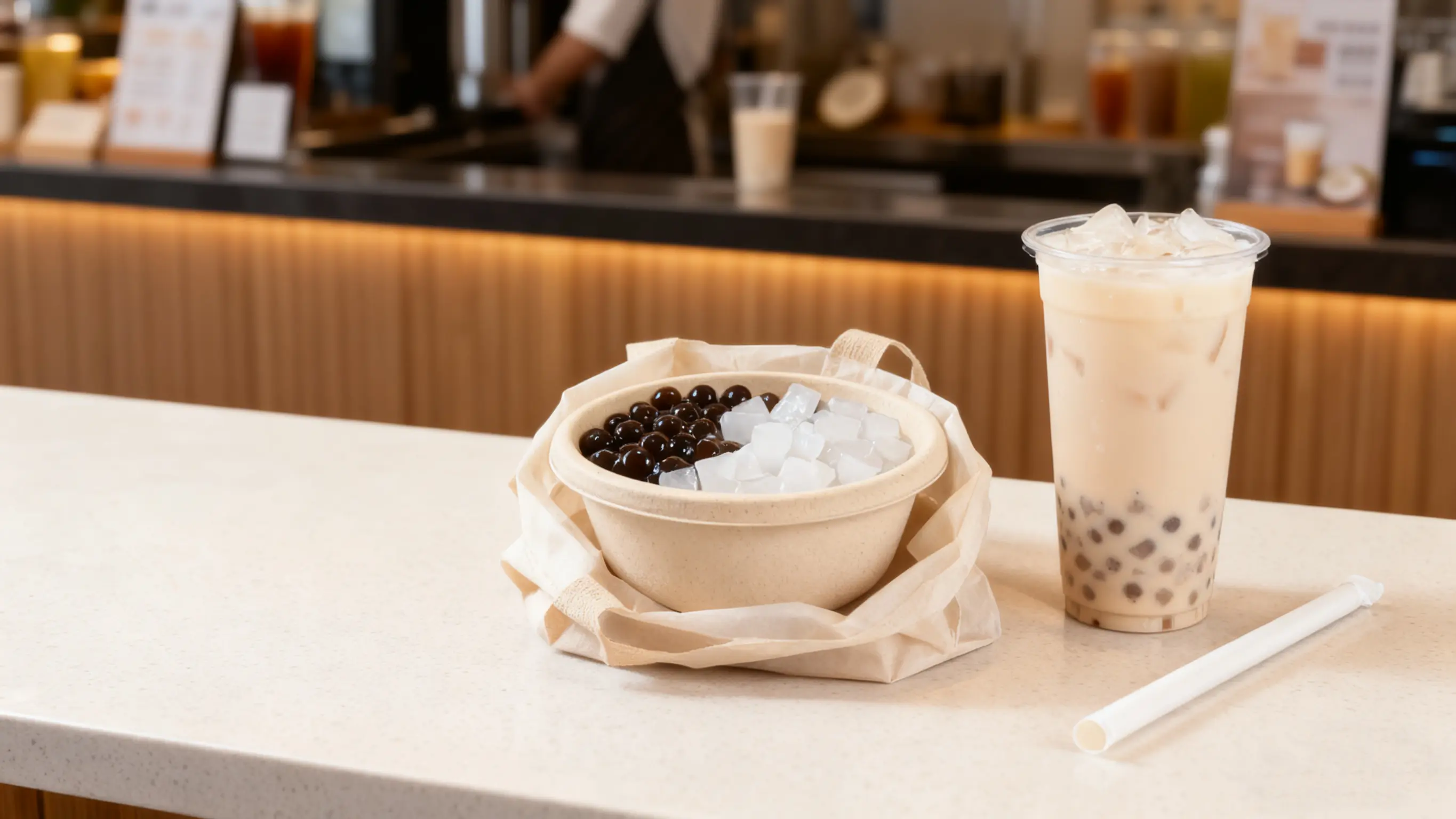
III. Comparative Analysis of the Safety of Different Types of Biodegradable vented takeout containers
3.1 Safety Assessment of PLA (Polylactic Acid) vented takeout containers
PLA vented takeout containers generally have relatively good basic safety characteristics. PLA is made from agricultural crops such as corn and cassava through processes such as fermentation and polymerization. After disposal, it can completely degrade into carbon dioxide and water within 6 months under industrial composting conditions, without producing microplastics or harmful substances. PLA material does not contain harmful components such as bisphenol A and plasticizers, meets food contact safety standards, and has passed international certifications such as the FDA.
However, PLA vented takeout containers have significant limitations in terms of safety:
- Poor heat resistance: PLA's glass transition temperature is 60-65℃, and its heat distortion temperature is about 60℃. Above 60℃, it will deform and soften, cannot withstand oil stains, and cannot hold boiling hot soups or fried foods.
- Processing Additive Risks: Catalysts, terminators, antioxidants, and plasticizers added during PLA processing are not significantly different from those used in petroleum-based polymers. The material contains incompletely reacted lactic acid oligomers, and direct contact with the body may induce inflammatory reactions.
- Heavy Metal Contamination: Studies in China show that PLA vented takeout containers have a 100% detection rate of 13 metal elements, with lead (Pb) exposure posing a potential risk.
- Incomplete Degradation Risk: PLA heavily relies on industrial composting conditions and is difficult to degrade in the natural environment, potentially leading to microplastic pollution.
3.2 Safety Assessment of Starch-Based vented takeout containers
The safety of raw materials for starch-based compostable takeout containers varies considerably. Pure starch tableware does not contain heavy metals and does not release harmful substances; there is no need to worry about harmful substances affecting human health during use. However, the situation with starch-based products on the market is complex: Serious Adulteration Issues: Some pseudo-degradable plastics adulterated with starch use epichlorohydrin as a cross-linking agent when making tableware; epichlorohydrin is classified as a Group 2 carcinogen.
Total Migration Exceeds Standards: Testing of 35 batches of samples showed that 4 batches of disposable starch tableware exceeded the total migration standard. One export company's corn starch tableware, due to failure to adjust its formula according to the 2023 standard, had a total migration value of 18 mg/dm² (exceeding the limit), resulting in the return of the entire batch of goods.
Plasticizer Residue: Starch-based materials may contain plasticizer residues, which may migrate into food upon contact.
Coating Safety: The waterproof and oil-resistant properties of starch-based plastics highly depend on the coating. If a PE coating is used, the entire product is non-degradable, and only the paper portion can be recycled. Safety can only be ensured by confirming the use of a biodegradable coating (such as a PLA coating).
3.3 Safety Assessment of Pulp Molded Lunch Boxes
The safety of pulp-molded lunch boxes varies depending on the raw materials and processes:
- Safety of High-Quality Raw Materials: Food-grade sugarcane pulp, as a high-quality raw material, has a heavy metal content 30% lower than the national standard and does not contain harmful substances such as plasticizers and fluorescent agents. Sugarcane pulp tableware is hot-pressed at temperatures above 200℃, a process that not only eliminates microbial residue but also avoids the use of chemical disinfectants.
- Risks of bamboo pulp tableware: Compared to some bamboo pulp tableware that may contain residual sulfides, the natural properties of sugarcane pulp provide a solid foundation for its safety. However, bamboo fiber tableware may have issues with excessive formaldehyde and melamine levels.
- Chemical coating risks: The waterproofing properties of molded pulp tableware often require chemical coating treatment. If a non-degradable chemical coating is used, it may pose additional safety risks.
- Microbial risks: Molded pulp tableware is prone to microbial growth in humid environments, requiring careful storage conditions.
IV. Consumer Selection Recommendations and Risk Prevention Guidelines
4.1 Material Selection Recommendations for Different Usage Scenarios
Based on the analysis of the safety of various biodegradable vented takeout containers, consumers should make rational decisions based on specific usage scenarios when making their selections:
Room Temperature or Low Temperature Foods (≤60℃):
Room Temperature or Low Temperature Foods (≤60℃):
- PLA vented takeout containers can be chosen, but prolonged contact should be avoided.
- Pure PLA material is preferred; avoid products blended with other materials.
- Check the product's heat resistance temperature label.
High Temperature Foods (>60℃):
- Avoid using PLA vented takeout containers, as they will deform and soften above 60℃.
- Molded pulp or bagasse vented takeout containers can be chosen, but it must be confirmed that no chemical coating has been used.
- Products with a clearly stated heat resistance temperature above 80℃ are preferred.
Oily Foods:
- Avoid using PLA vented takeout containers, as they are not resistant to oils.
- Molded pulp vented takeout containers with special surface treatment can be chosen.
- Check the product's oil resistance performance description.
Acidic Foods:
- Avoid using plant fiber molded compostable takeout containers, as they may contain melamine and formaldehyde.
- PLA or pure pulp vented takeout containers can be chosen.
- Check the product's acid resistance performance label.
4.2 Key Points for Product Label Identification and Quality Judgment
Correctly identifying product labels is the first step in ensuring safety. Consumers should pay close attention to the following label information:
- Material Description: The product should clearly indicate the main material, such as "100% PLA," "pure pulp," or "bagasse." If the labeling is unclear or incomplete, purchase with caution.
- Standards: Check if the product is labeled with relevant national standards such as GB 4806.7. The 2023 version of the standard added requirements for compliance with plant fiber fillers and migration limits for aromatic primary amines.
- Usage Conditions: The product should clearly indicate the operating temperature range, whether it is microwaveable, and the types of food it is suitable for.
- Certification Marks: Check for international certification marks such as FDA, BPI (Biodegradable Products Institute), and OK Compost.
Quality Judgment Points:
- Appearance Inspection:
- The product surface should be smooth, without obvious defects or bubbles.
- The color should be uniform and odorless.
- The structure should be intact and undamaged.
Material Identification:
- PLA lunch boxes are relatively hard and highly transparent.
- Molded pulp lunch boxes are relatively soft and have a fibrous texture on the surface.
- Plant fiber lunch boxes may have obvious plant fiber particles.
Heat Resistance Test (Handle with Caution):
- It can be tested with warm water at around 60℃ to observe for deformation.
- Avoid using excessively high temperatures to prevent safety accidents.
Why Are Clear Plastic Takeout Containers Becoming More Popular?
How to Remove the Strong Odor from Take-Out Container with Lid?
Related Article

You searched for 4 oz Chinese take out boxes — but what you actually need may not be a paper box at all. The folded paper container with the wire handle looks iconic, but for 4 oz portions of sauce, dressing,
4 oz Chinese Take Out Boxes Alternative — Clear PP Portion Cups
Looking for plastic to-go containers with lids in bulk? Every container we ship includes a matching lid — not as an optional add-on,
Plastic To-Go Containers with Lids Wholesale | Bulk PP Food Boxes
SEND MESSAGE