



The Future Trends of Eco-Friendly Food Containers
author: Iris
2025-03-03
1. Increasing Popularity of Reusable Lunch Containers
One of the biggest trends in the food packaging industry is the shift toward reusable lunch containers. Single-use plastic containers have long been a staple in the food service industry, but with growing concerns over plastic waste and environmental impact, many businesses and consumers are making the switch to reusable options.
Why the Shift?
- Environmental Impact: Single-use containers contribute to a massive amount of plastic waste, which takes hundreds of years to break down in landfills. Reusable containers, on the other hand, help reduce waste and are designed to last for years.
- Cost-Effectiveness: For restaurants and food businesses, restaurant food prep containers that can be reused save money in the long run. Instead of buying new containers regularly, businesses can invest in durable, reusable options.
- Consumer Demand: Customers are becoming more environmentally conscious and prefer businesses that prioritize sustainability. Offering reusable lunch containers aligns with these values, building brand loyalty and trust.
What’s Next?
Expect to see more innovations in reusable lunch containers, such as those made from sustainable materials like bamboo, stainless steel, or silicone. These containers are not only durable but also come in sleek designs that appeal to environmentally-conscious consumers.

2. Rise of Leak-Proof Food Containers
Another key trend in eco-friendly food containers is the growing demand for leak-proof food containers. In both consumer and commercial settings, people want containers that are both functional and eco-friendly.
Why the Trend?
- Convenience: Leak-proof containers are a game-changer, especially for people who pack meals on the go. They keep food secure and prevent spills, making them ideal for packed lunches, takeout, or meal prep.
- Health and Safety: Spillages can lead to contamination or spoilage, particularly with wet or greasy foods. Leak-proof food containers help maintain food quality, ensuring that meals are stored safely without any risk of leakage.
- Sustainability: As consumers increasingly seek sustainable alternatives to plastic packaging, manufacturers are designing leak-proof containers that are reusable, durable, and made from eco-friendly materials.
What’s Next?
Expect more companies to develop leak-proof food containers made from materials like recycled plastics, biodegradable composites, or silicone. These containers will not only be effective at keeping food secure but will also be lightweight, easy to clean, and suitable for both hot and cold foods.

3. Smart Food Containers with Integrated Technology
The rise of smart technology is influencing almost every industry, and food packaging is no exception. As we move toward more sustainable food packaging solutions, the future will see a growing number of smart restaurant food prep containers. These containers will feature integrated technology designed to enhance food storage, safety, and convenience.
Why the Trend?
- Food Monitoring: Smart containers could have sensors built into them that track the temperature and freshness of the food inside. For example, a restaurant food prep container could alert restaurant staff if a food item is at risk of spoiling or needs to be used by a specific time.
- Waste Reduction: These smart containers could also reduce food waste by helping to monitor portion sizes and track expiry dates. This ensures that food is used efficiently, further aligning with sustainability goals.
- Consumer Engagement: Smart containers could enable consumers to track their food’s freshness via an app, making it easier to store and manage meals. This could be particularly appealing for meal prep enthusiasts and health-conscious consumers.
What’s Next?
Look for restaurant food prep containers with advanced features like temperature regulation, RFID tags for tracking, and real-time notifications. These smart containers could become an integral part of the food service industry, improving food safety and reducing waste across the supply chain.
4. Eco-Friendly Materials Lead the Way
One of the defining characteristics of the future of eco-friendly food containers will be the materials used in their production. As sustainability becomes more of a priority, manufacturers will increasingly turn to biodegradable, recyclable, and compostable materials to create reusable lunch containers and other food storage options.
Why the Trend?
- Reduced Plastic Dependence: With the growing focus on reducing plastic waste, containers made from materials like bamboo, plant-based plastics, and recycled paper are gaining popularity.
- Compostability: Many consumers are also looking for containers that are compostable, meaning they can break down naturally in the environment. These materials align with the circular economy model, where products are designed to be reused or returned to the earth without causing harm.
- Health and Safety: Eco-friendly materials are often free from chemicals like BPA and phthalates, making them safer for storing food.
What’s Next?
The future will likely see more eco-friendly carry-out containers made from innovative, renewable materials. Expect to see packaging solutions made from algae, mushroom fibers, or even seaweed, which are biodegradable and compostable. These materials could replace traditional plastics in many sectors, including food service, retail, and takeaway.

5. Customization and Personalization for Branding
As the demand for eco-friendly packaging grows, businesses are also seeking more personalized and branded solutions for their food containers. Custom restaurant food prep containers that feature logos, colors, or unique designs not only help businesses stand out but also reflect their commitment to sustainability.
Why the Trend?
- Branding: Custom restaurant food prep containers allow businesses to reinforce their brand identity while embracing eco-conscious packaging solutions. This appeals to consumers who are increasingly looking to support brands that prioritize the environment.
- Customer Engagement: Personalized packaging creates an opportunity for restaurants and food businesses to engage with customers on a deeper level. Custom containers can also serve as a marketing tool, spreading the word about a business’s commitment to sustainability.
- Differentiation: Custom eco-friendly containers help differentiate a brand in a competitive market, showcasing a commitment to reducing environmental impact while offering high-quality food packaging solutions.
What’s Next?
Expect more custom lunch containers that can be tailored to fit a business’s specific branding needs. From embossing logos to using eco-friendly inks, customization will become a key element in making sustainable food packaging both functional and visually appealing.
Conclusion: The Future of Eco-Friendly Food Containers
The future of reusable lunch containers, leak-proof food containers, and restaurant food prep containers is looking greener and more sustainable than ever. As consumers and businesses alike prioritize sustainability, we can expect to see more innovation in eco-friendly materials, smart technology, and customization. Whether it’s reducing plastic waste, enhancing food safety, or offering more sustainable alternatives, the packaging industry is evolving to meet the needs of an eco-conscious world.

Where to Buy Eco-Friendly Food Containers?
Looking for high-quality reusable lunch containers, leak-proof food containers, or restaurant food prep containers? Huizhou Yangrui Printing & Packaging Co., Ltd. offers a range of sustainable and food-safe packaging solutions designed to meet the growing demand for eco-friendly options. Our products are customizable and built to last, helping your business stay ahead of the sustainability curve. For more information, contact us at sales@yrpak.com or call +86-159 8949 1653.
References
- Johnson, H., & Green, K. (2023). "The Future of Eco-Friendly Food Packaging." Journal of Sustainable Packaging, 19(3), 24-38.
- Smith, R., & Lee, P. (2022). "Innovative Materials in Food Packaging: A Look into the Future." Journal of Environmental Science and Technology, 45(4), 67-80.
- Martin, D., & O’Reilly, S. (2021). "Trends in Reusable and Sustainable Food Containers." International Journal of Food Packaging, 32(1), 58-72.
How AI is Transforming Disposable Food Container Production and Design?
How Can China's Disposable Lunch Box Industry Break out of the Us Tariff Increase?
Related Article

Your food needs to be seen. Your customers need to heat it. Most containers force you to choose one or the other. Clear PP to-go containers are the only packaging that lets you do both without compromise — transparent enough to display fresh ingredients in a deli case, and microwave-safe enough that customers never need to transfer food to a different container.
Clear PP To-Go Containers — Showcase Your Food, Microwave Safe
Learn the 7 key factors for choosing a takeaway packaging wholesale supplier — compliance, pricing transparency, quality, delivery, custom branding, and long-term value. Includes evaluation scorecard and red flags checklist.
Meal Prep Boxes for Business: A Wholesale Buyer's Complete Guide

Learn the 7 key factors for choosing a takeaway packaging wholesale supplier — compliance, pricing transparency, quality, delivery, custom branding, and long-term value. Includes evaluation scorecard and red flags checklist.
How to Choose the Right Takeaway Packaging Wholesale Supplier: 7 Key Factors
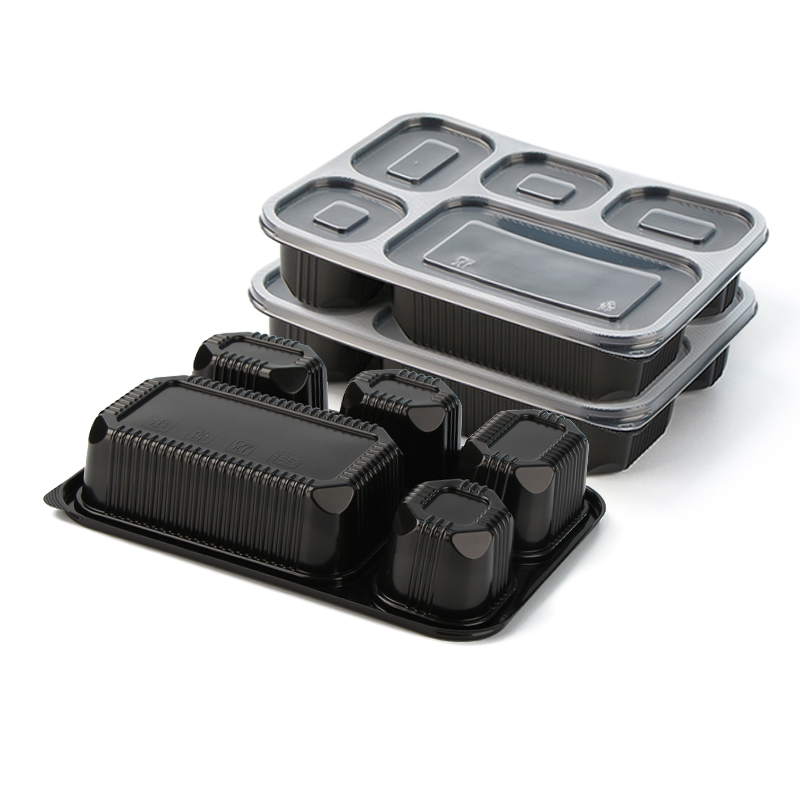
As the food delivery, takeout, and quick-service restaurant (QSR) industries continue to grow globally, choosing the right disposable food container has become a critical decision for foodservice businesses. Safety, durability, cost efficiency, and compliance are no longer optional — they are essential.
Why Choose Yangrui Disposable Food Containers?
SEND MESSAGE