



New South Wales Leads the Charge in Combating Plastic Pollution: A Deep Dive into Plastics Plan 2.0 and the Role of Take-Out Food Plastic Containers
author: Iris
2025-11-13
The New South Wales (NSW) government has launched its ambitious Plastics Plan 2.0, a comprehensive strategy aimed at substantially reducing plastic waste throughout the state, in an era where environmental sustainability is of utmost importance. Announced on November 9, this campaign is in line with global movements to preserve public health and ecosystems and builds on earlier efforts to phase out single-use plastics. The core of this strategy is an emphasis on commonplace things that greatly increase pollution, such as take-out food plastic containers, which are now commonplace in contemporary eating practices. In order to promote a cleaner, more sustainable future, NSW wants to reduce plastic litter by 60% by 2030 by focusing on these and other hazardous polymers.
The widespread use of take-out food plastic containers is a prime example of the larger plastic dilemma. Despite being manufactured for convenience, these containers—which are frequently composed of polypropylene or polystyrene—end up posing ongoing environmental risks. Environmental scientists claim that a significant amount of urban garbage is made up of single-use takeout food containers, which leak microplastics into soil and waterways. By requiring the use of renewable materials for condiment packaging, the NSW Plastics Plan 2.0 effectively outlaws products like the fish-shaped soy sauce pots frequently seen in takeout sushi orders. This action demonstrates the plan's commitment to reducing the environmental impact of take-out food plastic containers and is similar to efforts in South Australia.

New South Wales Unveils Plastics Plan 2.0
Examining the historical background of plastic pollution in NSW is crucial to comprehending the urgency of Plastics Plan 2.0. Lightweight plastic bags, straws, and disposable cutlery have already been outlawed by the state, reducing the amount of waste that ends up in landfills by millions of tons per year. Take-out food plastic containers, however, continue to be a persistent problem. Due to food residue contamination and material complexity, these goods, which are commonly used for meals from restaurants and delivery services, are rarely recycled. According to research from the NSW Environment Protection Authority (EPA), plastic containers used for takeout food account for more than 20% of plastic litter in coastal areas, endangering marine life through entanglement and ingestion. The plan’s phased approach, starting next year and extending to 2030, provides businesses with time to adapt while enforcing stricter recycling and reuse standards.
Eliminating a number of prevalent plastic products that worsen pollution is one of the plan's main goals. Plastic bread tags, pizza savers, and non-biodegradable fruit and vegetable stickers will be phased away starting in late 2027. Restrictions will also apply to expanded polystyrene foam packaging and thick plastic bags with handles. The focus is on switching to reusable or compostable plastic containers for takeout food. Take-out food plastic containers, for example, are directly impacted by the prohibition on non-renewable condiment packets because they frequently contain tiny plastic containers for sauces and dips. NSW Environment Minister Penny Sharpe emphasized the critical need for these changes, stating, “Microplastics are infiltrating our bodies, and plastic pollution is eroding our environment and oceans, devastating wildlife.” Her words reflect a deep expertise in environmental policy, drawing from extensive consultations with scientists and industry stakeholders to balance ecological protection with economic viability.

The Environmental Crisis Behind Take-Out Food Plastic Containers and NSW's 60% Waste Reduction Goal
It is impossible to overestimate the negative effects that takeout food's plastic containers have on the environment. According to studies, when these containers are thrown away, they decompose into microplastics that contaminate water supplies and food systems for centuries. According to a ScienceDirect article, the production and disposal procedures of single-use take-out food plastic containers have a significant potential to contribute to global warming. Littered plastic containers for takeout food frequently wind up in stormwater drains in New South Wales, where they run into rivers and the ocean, endangering animals' lives. These pieces are mistaken for food by fish, seabirds, and turtles, which can result in poisoning or famine. In order to lessen this, the Plastics Plan 2.0 mandates recyclable materials for new designs, promotes the circular economy, and encourages the reuse of take-out food plastic containers whenever feasible.
Take-out food plastic containers have a substantial impact on landfill overload outside of marine areas. Minister Sharpe has noted that the current disposal rates are unsustainable and that NSW's waste facilities are getting close to capacity. The state's ambitious 60% reduction in plastic litter by 2030 target is based on EPA data-driven modeling. The strategy tackles both visible litter and concealed microplastic pollution by focusing on high-volume products like takeout food plastic containers. Furthermore, since balloons resemble jellyfish and entangle animals similarly to pieces from take-out food plastic containers, the restriction on helium balloon releases, which goes into force next year, removes another source of environmental injury.

Phasing Out Everyday Plastics: From Sushi Soy Sauce Fish to Take-Out Food Plastic Containers
The timeline for Plastics Plan 2.0 is carefully structured to allow gradual compliance:
- - 2026: Ban on plastic bread clips, pizza savers, thick handled bags, and non-compostable produce stickers. Condiment packaging (including soy sauce fish in sushi take-out food plastic containers) must shift to renewable materials.
- - 2027: Sydney CBD becomes a reusable-only zone for food service, effectively eliminating single-use take-out food plastic containers in high-traffic areas.
- - 2030: Tethered bottle caps on drinks under 1.25L become mandatory, preventing cap litter often discarded alongside take-out food plastic containers.
These policies bring NSW into line with Victoria, Queensland, and South Australia and expand on current prohibitions (straws, cutlery, lightweight bags). The prohibition on fish-shaped soy sauce, which is now in effect in South Africa, directly affects take-out food plastic containers by eliminating a typical ornament. In order to lessen the lifecycle impact of takeout food plastic containers from production to disposal, businesses are now required to acquire paper-based or biodegradable alternatives.

Health Risks of Take-Out Food Plastic Containers
The plan's strict regulations are justified by the health dangers associated with take-out food plastic containers. These containers can leak chemicals like phthalates and bisphenol A (BPA), particularly when they are heated or used with acidic meals. Long-term exposure to these drugs has been linked in National Institutes of Health research to endocrine disruption, elevated cancer risk, and problems with children's development. This leaching speeds up in takeout situations since food is frequently reheated in the same container. According to a University of Michigan study, organ dysfunction may eventually result from even minimal exposure to plastic containers used for takeout food.
A 2024 Lancet study found microplastics from deteriorated takeout food plastic containers in human blood, placentas, and breast milk. These particles may cause inflammation and immunological reactions when they enter the body by ingestion or inhalation. In line with E-E-A-T principles, which place an emphasis on reliable scientific data and the competence of health authorities, NSW is prioritizing public health while also protecting the environment by gradually eliminating dangerous take-out food plastic containers.
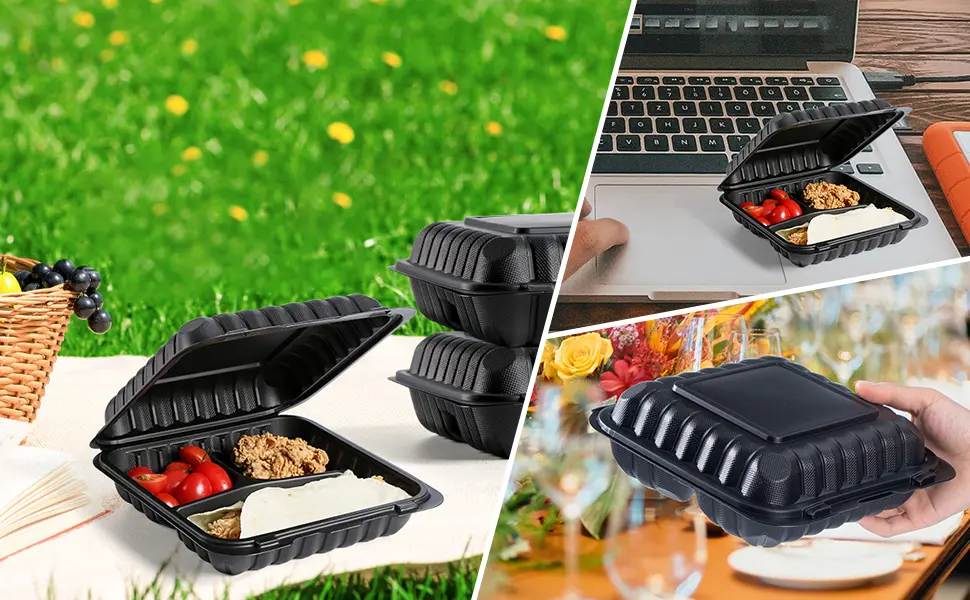
Industry Transition and Innovation
Leaders in the industry are reacting to these developments with a combination of caution and confidence. Mars Food and Nutrition Australia's general manager, Bill Heague, recognizes the trend away from conventional plastic takeout containers. He stated, "Companies like ours need time to investigate, create, test, and scale new packaging solutions that are more sustainable without compromising consumer experience." Businesses are looking into alternatives like:
- - Bagasse (sugarcane fiber) containers – fully compostable, heat-resistant
- - Bamboo-based take-out food plastic containers – durable, renewable
- - Cornstarch PLA – biodegradable under industrial conditions
- - Reusable stainless steel or PP systems – ideal for the 2027 Sydney CBD pilot
Grants, R&D tax incentives, and EPA technical assistance are examples of government support. Similar to previous initiatives in Germany and South Korea, the Sydney CBD reusable zone will test returnable take-out food plastic containers with QR-coded tracking.
The EU's 2021 Single-Use Plastics Directive reduced marine litter by 30% in just two years by outlawing specific take-out food plastic containers. In 2020, foam takeout food plastic containers were outlawed in Maryland, USA, and replaced with compostable alternatives that resulted in a 45% reduction in greenhouse gas emissions. These examples support NSW's approach.
Equally important is consumer education. Campaigns will emphasize how eating at eateries that don't use plastic containers for takeout lessens one's own plastic impact. Apps that direct users to sustainable locations are starting to appear, such as "Plastic-Free Eats."

A Plastic-Free Future Starts with Take-Out Food Plastic Containers
Plastics Plan 2.0 is a daring, empirically supported move to end the negative effects of takeout food plastic containers on the environment and human health. NSW is establishing a national standard by combining scientific knowledge, authoritative policy, and reliable execution. The era of single-use take-out food plastic containers will make way for reusable, biodegradable, and circular solutions as businesses develop and customers adjust, demonstrating that sustainability and convenience can coexist.
The goal of a cleaner NSW with healthier ecosystems and communities is attainable, but the path to 2030 will require cooperation. Each replacement plastic container used for takeout meals is a step in that direction.
Impact of US-China Tariff Reduction to 10% on Take-Out Plastic Containers
Changes in the Global Disposable Lunch Box Market
Related Article

Your food needs to be seen. Your customers need to heat it. Most containers force you to choose one or the other. Clear PP to-go containers are the only packaging that lets you do both without compromise — transparent enough to display fresh ingredients in a deli case, and microwave-safe enough that customers never need to transfer food to a different container.
Clear PP To-Go Containers — Showcase Your Food, Microwave Safe
Learn the 7 key factors for choosing a takeaway packaging wholesale supplier — compliance, pricing transparency, quality, delivery, custom branding, and long-term value. Includes evaluation scorecard and red flags checklist.
Meal Prep Boxes for Business: A Wholesale Buyer's Complete Guide

Learn the 7 key factors for choosing a takeaway packaging wholesale supplier — compliance, pricing transparency, quality, delivery, custom branding, and long-term value. Includes evaluation scorecard and red flags checklist.
How to Choose the Right Takeaway Packaging Wholesale Supplier: 7 Key Factors
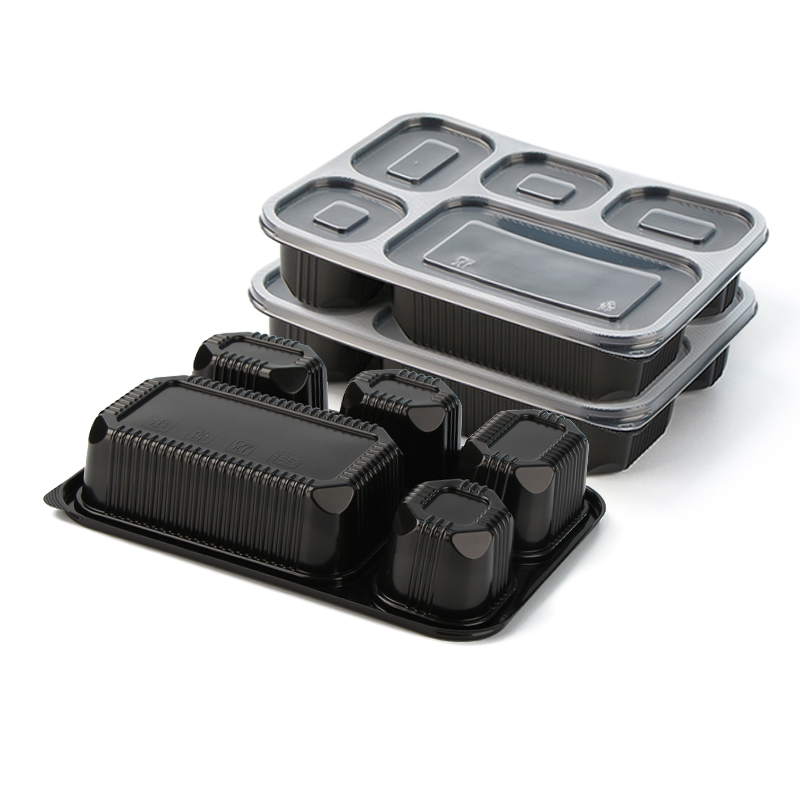
As the food delivery, takeout, and quick-service restaurant (QSR) industries continue to grow globally, choosing the right disposable food container has become a critical decision for foodservice businesses. Safety, durability, cost efficiency, and compliance are no longer optional — they are essential.
Why Choose Yangrui Disposable Food Containers?
SEND MESSAGE